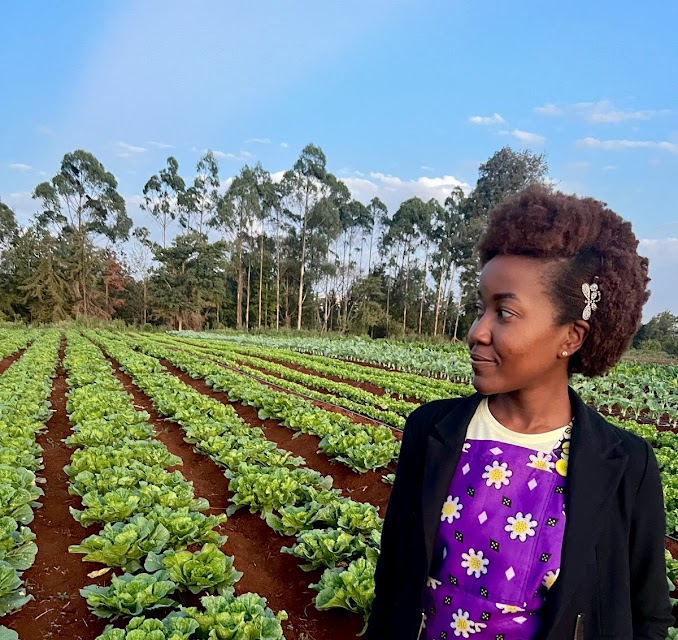
World Food Day, observed on October 16th every year, serves as a poignant reminder of the urgent need for food security and sustainability in a world threatened by climate change. For a young African climate advocate like me, this day is not just a mere observance but a call to action, an opportunity to amplify the voices of millions who face the brunt of food insecurity due to the impacts of a changing climate.
In Africa, the effects of climate change are undeniable. Extreme weather events, prolonged droughts, and unpredictable rainfall patterns have become a constant reality for many communities. These challenges have a direct impact on food production and availability. But amidst the adversity, there is hope. World Food Day provides a platform for us to channel our energy, passion, and commitment towards finding sustainable solutions.

One of the biggest threats to food security in Africa is the loss of arable land and soil degradation due to climate change. As a young advocate, I have witnessed firsthand the struggle of small-scale farmers who are at the mercy of a shifting climate.

Changing weather patterns disrupt planting and harvesting schedules, leading to lower yields. Soil erosion and reduced fertility compound the problem. My heart aches as I see these farmers battle not only the elements but also a lack of resources and support.
This World Food Day, I am reminded of the importance of sustainable agricultural practices. African farmers are adopting climate-smart techniques, such as agroforestry, crop rotation, and organic farming, to mitigate the effects of climate change.

By nurturing the soil and diversifying their crops, they are building resilience and ensuring a steady food supply for their communities.
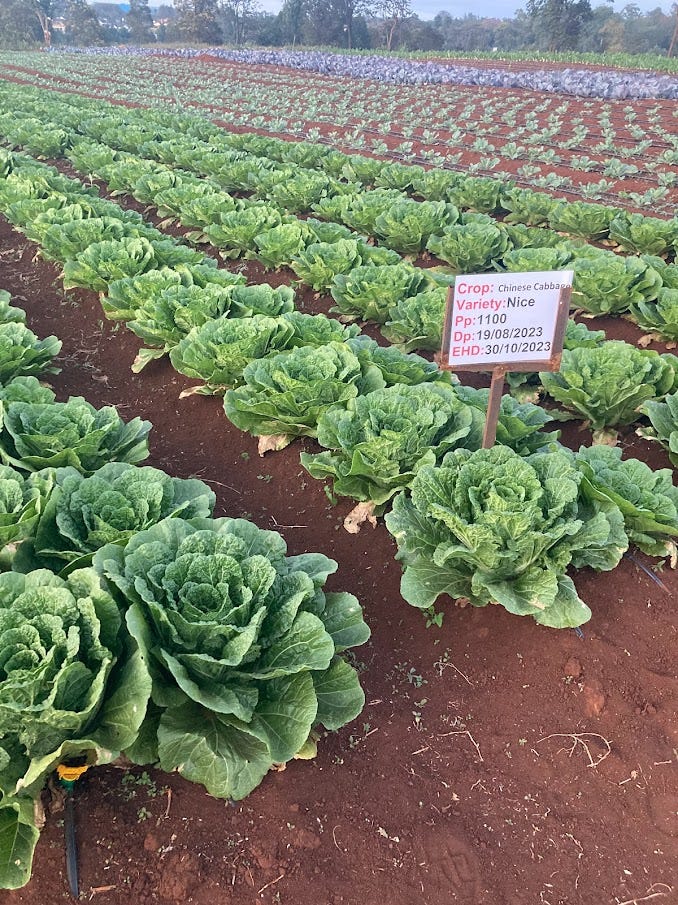
Access to water is another significant challenge. In many parts of Africa, prolonged droughts have led to water scarcity, making irrigation a luxury that few can afford. This year’s theme for World Food Day, “Our Actions Are Our Future,” resonates deeply with me. We must take action to conserve and manage our water resources responsibly. Innovative solutions like rainwater harvesting, water-efficient irrigation systems, and community-based water management can help ensure a consistent water supply for agriculture.
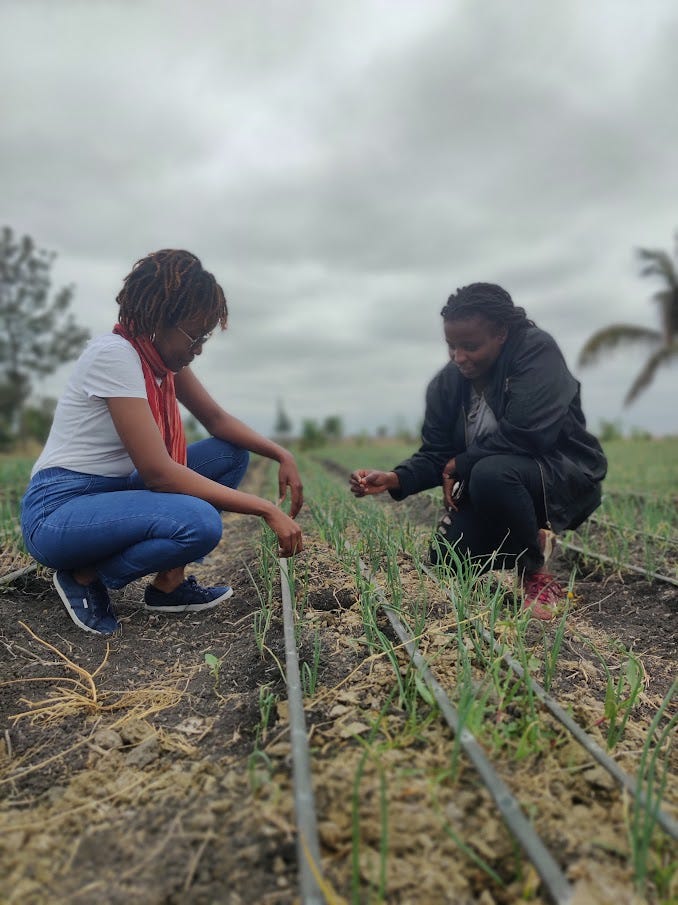
Education plays a pivotal role in shaping our future. As a young African climate advocate, I am passionate about spreading awareness and knowledge about climate change and its impact on food security. Empowering communities with the information they need to adapt and mitigate these challenges is crucial. It is a shared responsibility to educate the next generation on sustainable practices and the importance of reducing our carbon footprint.
Furthermore, fostering a sense of global solidarity is essential. World Food Day encourages us to unite in our efforts to eliminate hunger. International cooperation and support can help address the root causes of food insecurity, including poverty, inequality, and the unequal distribution of resources.
In closing, as a young African climate advocate, World Food Day serves as a powerful reminder that the fight against hunger and climate change is inseparable.
Our actions today will determine the future of our planet and its ability to provide for generations to come. Let us stand together, inspired by hope, armed with knowledge, and fueled by determination, to build a more resilient and sustainable world where no one goes to bed hungry. World Food Day is not just a day of reflection; it’s a day of action. Together, we can nourish hope for a brighter and more food-secure future for all.
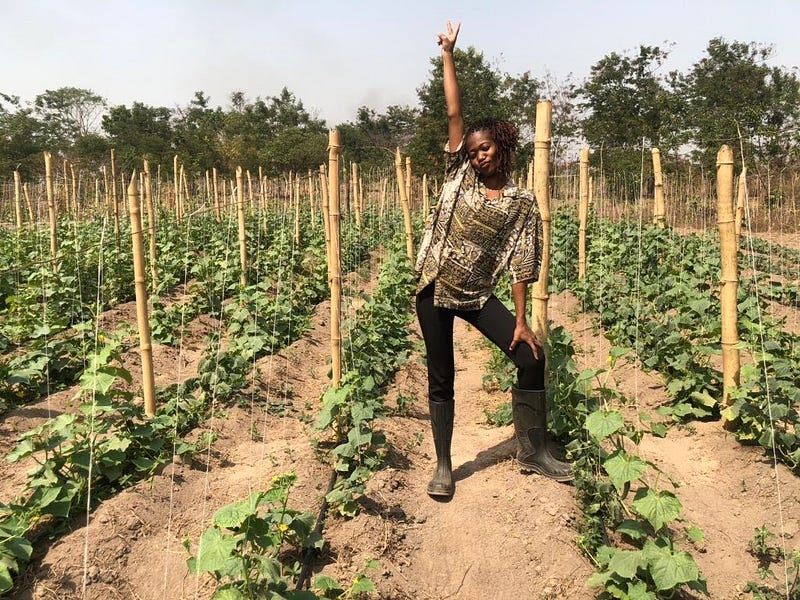
Happy World Food Day!
Amanda Namayi
 Amanda Namayi
Leave a comment