Knock! Knock!
Who’s there? Climate.
Climate who? Climate Change.
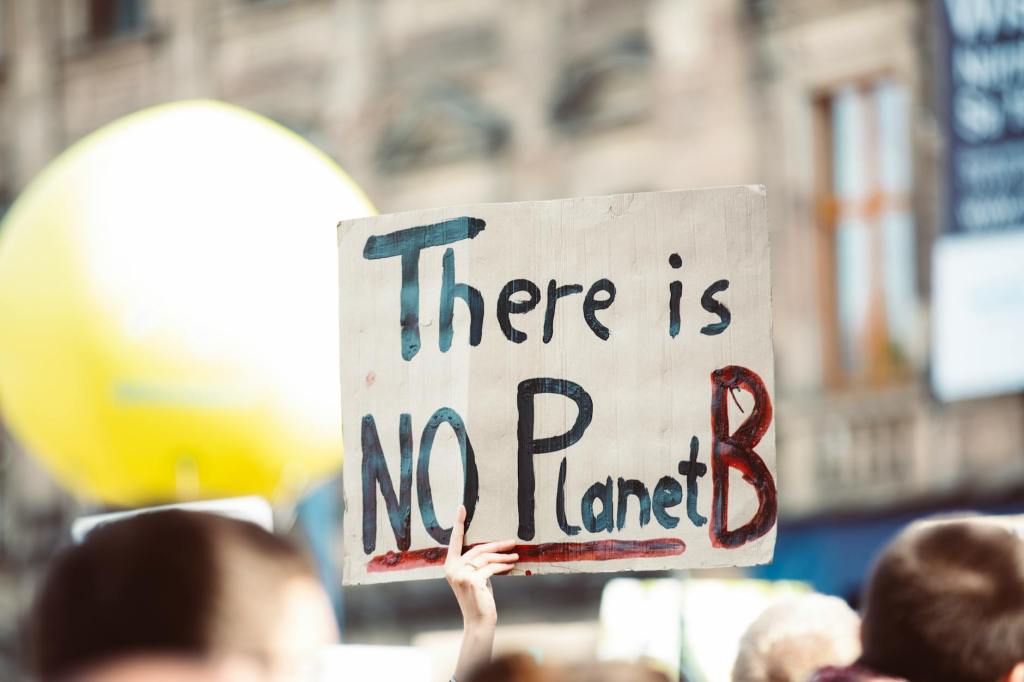
Global warming a reality dear reader. The effects of climate change are glaring in our faces.
It’s all fun and games until the rains become inconsistent and the droughts and famines become increasingly grave. The level of deforestation is at an all time high and the rate of desertification is extremely alarming but still, we remain complacent in taking action.
Let’s look at the ripple effects of climate change:
- Delayed rains or no rains at all means that there will be low food production, which in turn drives up the cost of food.
Lack of rains also mean that the water levels in the hydro-electric power turbines are diminishing by the day and high chances are that power rationing may be the next stop gap measure in managing the limited resources. You know what that means? The electricity bills will be astronomically high – Kenyans are already feeling the pinch as it is. Yes, climate change affects more than just the weather; it affects our day to day lives in all aspects; food, health, finances, industry and every other paradigm.

It is high time that farmers shift their focus from rain fed agriculture to more climate resilient farm practices. Gone are the days when the weather man’s report would be what dictates the onset of the planting season. It’s high time that the Kenyan farmer becomes proactive in employing climate smart agricultural practices. Climate change threatens to diminish crop yields, harming food security. Developing the potential to increase the productivity and incomes from smallholder crop, livestock, fish and forest production systems will be the key to achieving global food security and hopefully, achieve vision 2030 in the little time we have left.
The proof is in: climate-smart agriculture can help farmers adapt to climate change and lift them out of poverty while at the same time mitigating the impact of human activities on climate change.

Climate-Smart Agriculture (CSA) is an approach to help the people who manage agricultural systems respond effectively to climate change. The CSA approach pursues the triple objectives of: (a) sustainably increasing productivity and incomes –food security– (b) adapting to climate change –adaptation– and (c) reducing greenhouse gas emissions where possible –mitigation-.
Climate-smart agriculture includes techniques such as agroforestry, intercropping, conservation agriculture, crop rotation, integrated crop-livestock management and improved water management. CSA relates to actions both on-farm and beyond the farm, and incorporates technologies, policies, institutions and investment.
I wonder if many of us right now, across a multitude of cross cutting persuasions, see ourselves taking action in the fragility of our political, social, financial and environmental hopes.
Climate action is up to you and me. What can YOU do to curb or mitigate climate change in your own way?
In the words of Greta Thunberg, “…I want you to act as you would in a crisis. I want you to act as if the house was on fire—because it is“.
Amanda Namayi
 Amanda Namayi
Leave a comment