
There is a Swahili proverb that says, “Kutembea kwingi ni kuona mengi” which is translated to mean, the more you travel, the more you see. I was privileged to travel to Missouri, Columbia for the festive break and not only did I enjoy the snow; I indulged in the wide range of value-added products from farm produce. I came across dried fruit, which we have back home in Kenya, turkey sticks made from smoked turkey (though we do not have that in Kenya, I wasn’t too surprised by it) but what struck me was the range of value-added products on maize, or corn as they call it in the US.

Apart from popcorn, breakfast cereal and milled maize flour, I am not cognizant of any other maize-based products that we consume in Kenya. When I came across this pack of flavoured corn kernels, I was intrigued.
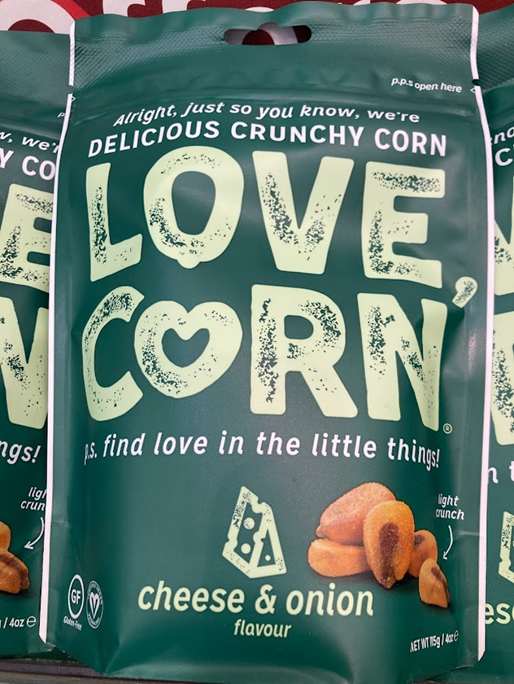
Other nuances to factor in is that Kenyans consume fresh food and meals are prepared from fresh ingredients. Please note that I am not speaking on behalf of all Kenyans, I am speaking from my limited interaction with my country people. Having eaten flavoured corn kernels, would I eat them again? Most likely not. I would rather eat roasted corn-on-the-cob or mahindi choma as Kenyans call it. However, while looking at the solutions to address post-harvest losses, value-added maize products is worth considering. This will bring us to the next issue, which is the capacity of our agro-processing industries to make these products and the market demand for the same. The lack of access to modern processing machinery and infrastructure poses challenges to efficiency in these processes. Value addition for maize in Kenya typically involves manual shelling, drying, and milling, primarily carried out at the local level.

Conversely, America’s corn production is characterized by large-scale mechanized farming operations. Advanced agricultural technologies and mechanized harvesting equipment streamline the cultivation process. Value addition occurs at various stages of the supply chain, including drying, grading, and processing into a diverse range of products such as cornmeal, corn syrup, and ethanol.
Market demands also significantly influence the value addition landscape. In Kenya, the market primarily focuses on staple products like maize flour for sima/ugali and porridge. Although there is a growing interest in diversifying products like corn snacks and breakfast cereals, challenges such as limited consumer purchasing power and distribution channels hinder market expansion. Further, the eating culture in Kenya is hinged on main meals (breakfast, lunch, dinner) and less on snacking. Value-added corn products will provide a nutritious alternative to junk and unhealthy snacks especially for school going children and young adults, but this will require extensive consumer awareness to catalyze demand for the products.
In contrast, the American market for value-added corn products is extensive and diverse, catering to various consumer preferences and dietary trends. From corn-based snacks and beverages to industrial applications like biofuels and bioplastics, the demand for corn-derived products continues to evolve. Innovation and consumer-driven trends fuel product diversification, creating opportunities for value addition across multiple sectors.
Technological advancements play a pivotal role in enhancing value addition practices in both countries. In Kenya, post-harvest handling, storage facilities, and milling efficiency are not robust; and the situation is exacerbated by challenges such as limited access to capital and technical expertise that hinder the widespread adoption of modern technologies.
In America, the agri-food industry leads in innovation, leveraging cutting-edge technologies such as genetic engineering, biotechnology, and automation to optimize yield, quality, and processing efficiency. Investments in research and development drive continuous improvement in value addition processes, from genetically modified corn varieties to automated processing plants. While in Missouri, I learnt that the Missouri Farmers Association have prime investments in gas stations, banks, buildings, infrastructure; a far cry from the kind of influence that cooperatives have in Kenya.
In conclusion, the comparative analysis underscores the distinct differences in corn value addition between Kenya and America, shaped by agricultural practices, market dynamics, and technological landscapes.
Amanda Namayi


 Amanda Namayi
Leave a reply to Value Chain Analysis of Kenyan-Grown Avocados for Export – Amanda Namayi Cancel reply