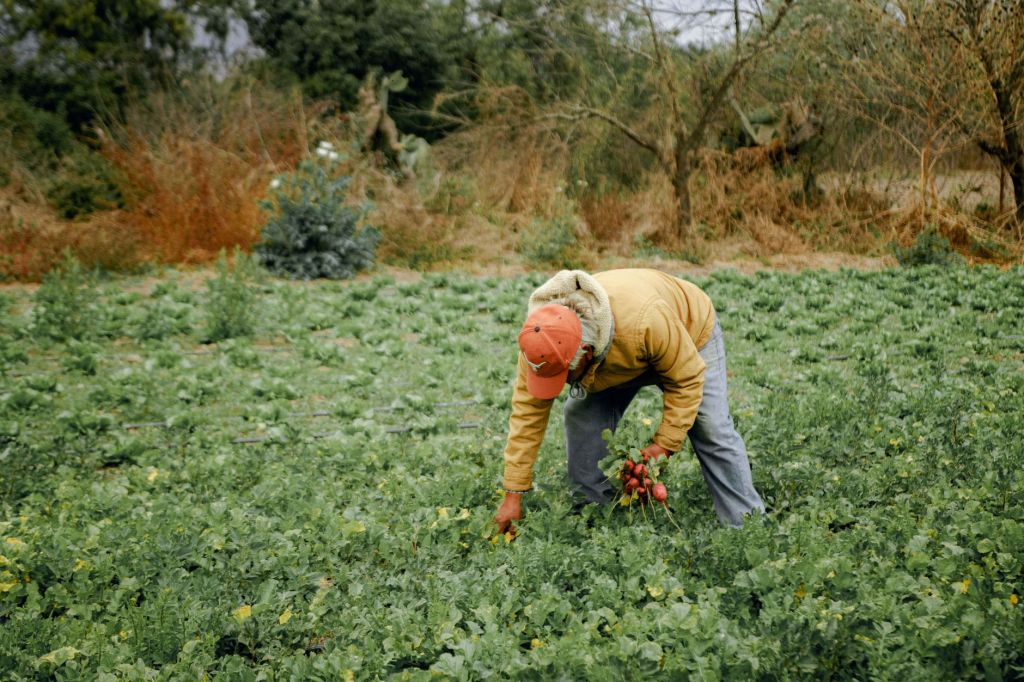
The future of agriculture is no longer something we imagine decades from now. It is already unfolding across Kenya and beyond. Farmers are no longer relying solely on experience passed down through generations. Today, decisions about when to plant, how much water to use, and even how to monitor crop health are increasingly being informed by technology, climate data, and changing consumer needs.
Lately, I have found myself reflecting on how quickly these changes are happening. The way we grow, move, and consume food is evolving. These shifts may look different from one region to another yet they all point to the same reality; that the future of agriculture is being shaped by several interconnected trends.
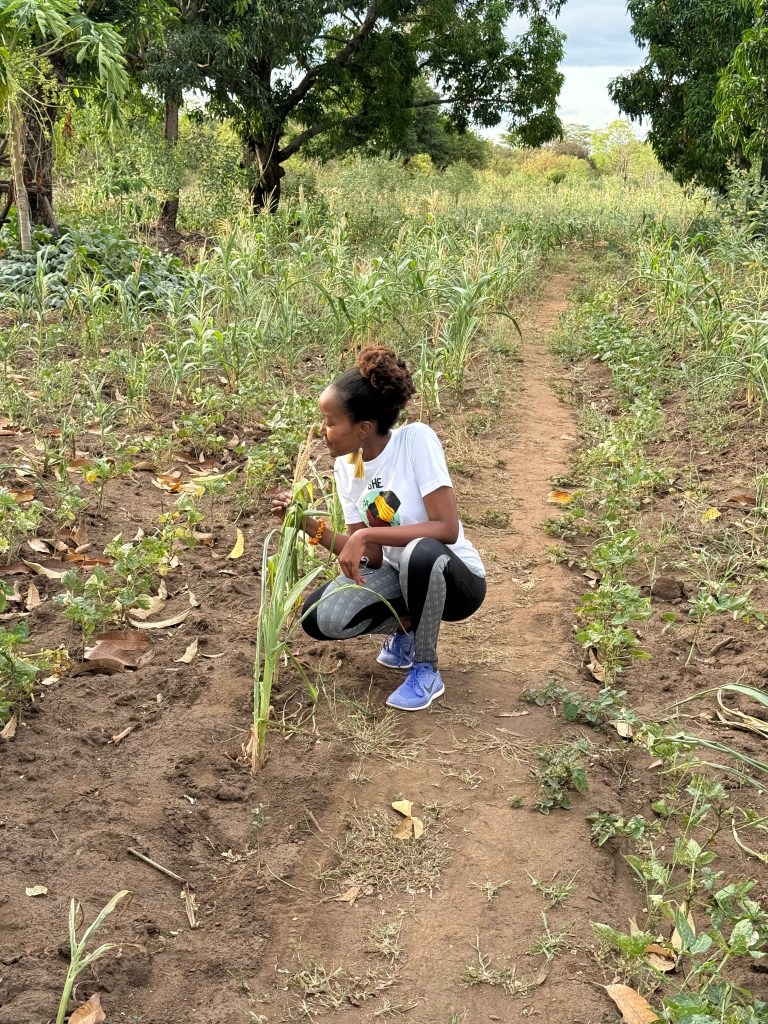
One of the clearest examples is the growing adoption of climate-smart agriculture. As weather patterns become more unpredictable, farmers are preparing for climate challenges instead of simply reacting after they occur. Climate-smart agriculture is helping them adapt while protecting the natural resources they depend on.
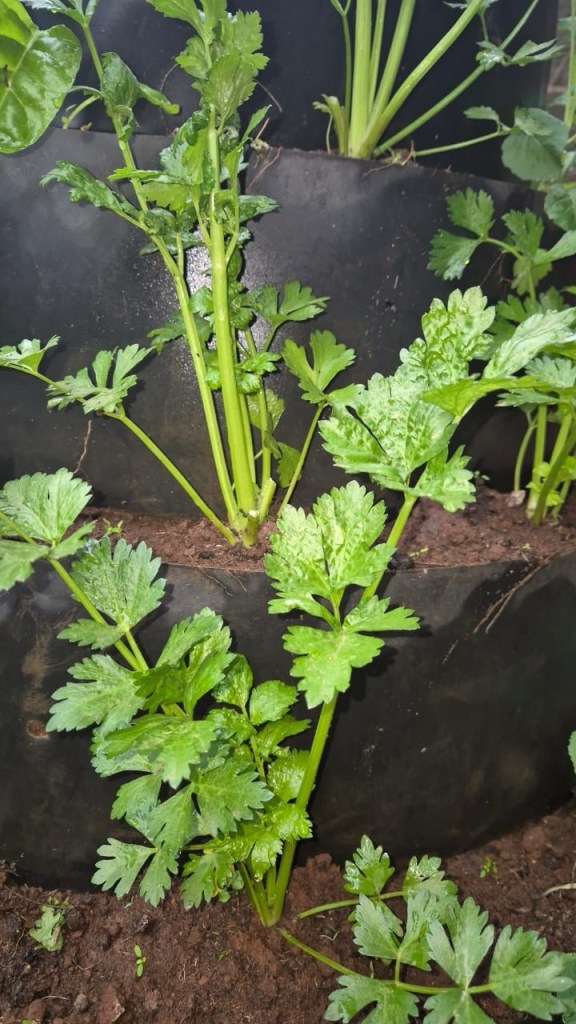
Practices such as automated drip irrigation are improving water efficiency by delivering water directly to plant roots, reducing wastage while maintaining crop productivity. Container farming and vertical gardens are making it possible to grow fresh produce in limited spaces, especially in urban areas. My mentor, Ms. Betty Kibaara has a thriving vertical garden and she never has to buy vegetables from the supermarket or the local green grocer. Also, she is assured of chemical-free, organic vegetables.
We also see the “comeback” of agroforestry, the integration of trees with crops and livestock. is improving soil health, conserving moisture, and enhancing biodiversity. These may seem like simple interventions, but together they are practical investments in the long-term sustainability of farming.
Beyond adapting to climate change, farmers are also embracing digital technologies to make better decisions. Africa’s population is projected to reach at least 2.4 billion people by 2050. Feeding this growing population will require more than expanding farmland. It will require farming smarter. Speaking of digital technologies, if you’ll be attending this year’s Africa Food Systems Forum in Kigali, Rwanda; you are cordially invited to the session on Growing Youth-Powered Digital Markets hosted by FAO and SNV. The event is slated for 2 September 2026 at 10:00 am – 12:00 pm CAT.
Artificial intelligence is emerging as one of the technologies with the potential to transform agriculture. By analysing large volumes of data, AI can help predict weather patterns, detect crop diseases earlier, recommend optimal planting times, and support better decision-making. This is where precision agriculture comes in. It uses technologies such as GPS, sensors, satellite imagery, drones, and data analytics to ensure crops and soil receive exactly what they need for optimum production. Instead of relying on trial and error, farmers can make informed decisions that improve efficiency while reducing unnecessary costs.
Kenya is already demonstrating what this looks like in practice. Organisations such as Nuru Kenya are using drones for crop monitoring, farm mapping, and data collection, helping farmers respond more quickly to challenges while reducing time and labour.
Technology alone, however, cannot build resilient food systems. Producing food is only one part of the food system while ensuring that food reaches consumers while maintaining its quality forms the rest.
One encouraging trend is the growing emphasis on strengthening local food systems. School feeding initiatives in Embu, for example, are increasingly sourcing food directly from nearby farmers. Beyond providing nutritious meals to learners, these programmes create reliable markets for local producers, strengthen rural economies, and reinforce the connection between farmers and their communities.
Attention is also shifting towards post-harvest management. According to the World Food Programme, the world produces enough food to nourish everyone, yet a significant portion is lost before it reaches consumers because of poor handling, storage, and transportation. For Kenya, reducing post-harvest losses presents one of the greatest opportunities to improve food security.
Simple innovations such as hermetic storage bags are already making a difference. They protect harvested grain from pests and moisture without relying heavily on chemical treatments. Sometimes improving food security is not about growing more food but about preserving what has already been produced.
As exciting as these innovations are, none of them can succeed without people. Young innovators and women are redefining what agriculture looks like across Kenya and the wider African continent. Young people are increasingly entering agriculture through technology, entrepreneurship, and innovation. Agritech start-ups are developing digital platforms that connect farmers to markets, financial services, weather information, and advisory support, creating employment opportunities while making agriculture more attractive to an increasingly tech-savvy generation.
Women also continue to play a critical role across agricultural value chains. Investing in women farmers through improved access to land, finance, training, and technology is essential to building more productive and equitable food systems. It is encouraging that the United Nations has designated 2026 as the International Year of the Woman Farmer, recognising the vital role women play in agriculture and food systems.
It is noteworthy that these trends are not happening in isolation. Climate-smart farming, digital innovation, stronger local food systems and greater investment in women and young people all reinforce each other.
As these trends continue to evolve, the opportunity before us is to ensure these innovations, practices and technologies become accessible to every farmer in every community, creating an ecosystem that nourishes people, protects the planet and leaves no one behind.
Amanda Namayi
 Amanda Namayi
Leave a comment